
The Allure of the Golden State Aesthetic
Imagine waking up as the soft, amber light of the Pacific sun filters through a wall of glass, illuminating a space that feels less like a house and more like a sanctuary. There is a specific magic to California architecture. It isn’t just about the structure itself; it is about a philosophy of living. For decades, the Golden State has been at the forefront of architectural iovation, blending the boundaries between the rugged outdoors and the refined indoors. Whether you are building from scratch or looking to infuse your current home with that West Coast soul, modern California architecture offers a timeless blueprint for a life well-lived.
SUBMIT YOUR DETAILS FOR
In this guide, we will explore the essential elements that define the modern California home. From the mid-century roots that started it all to the sustainable, tech-forward designs of today, we will dive deep into the ideas that can transform your living space into a breathtaking masterpiece of light, air, and texture.
1. Blurring the Lines: The Indoor-Outdoor Coection
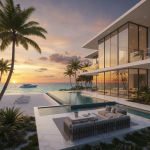
If there is one “golden rule” of California design, it is that the walls should never feel like barriers. The mild climate of the West Coast has birthed a style where the transition from the living room to the backyard is nearly invisible. This is achieved through several key architectural features:
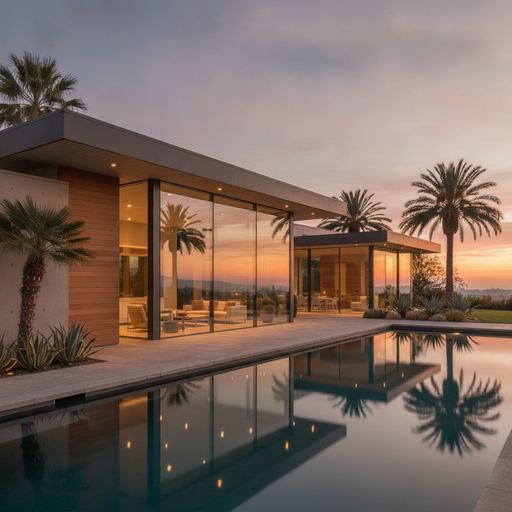
- Floor-to-Ceiling Glass Walls: Using expansive glass panels or “window walls” allows the landscape to become part of the interior decor. It maximizes natural light and provides a constant coection to nature.
- Pocketing Sliders and Bifold Doors: These are doors that literally disappear into the walls. When opened, they erase the threshold between the kitchen and the patio, creating a massive, cohesive entertaining space.
- Outdoor Rooms: In California, the patio isn’t just a place for a grill; it’s an outdoor living room complete with fireplaces, built-in sofas, and even outdoor kitchens that rival their indoor counterparts.
2. The Mid-Century Modern Revival
You caot talk about California architecture without tipping your hat to the Mid-Century Modern (MCM) movement. Influenced by visionaries like Joseph Eichler and Richard Neutra, this style remains the backbone of California’s architectural identity. The modern interpretation of this style focuses on flat or low-sloped rooflines, open floor plans, and a “form follows function” mentality.
To bring this into a contemporary setting, architects are using cleaner lines and more durable materials. The classic “post-and-beam” construction is still popular because it allows for those massive windows we mentioned earlier. By keeping the structural skeleton visible, the home feels honest, grounded, and incredibly spacious.
3. Sustainable and Resilient Design
Modern California architecture is deeply intertwined with environmental consciousness. With the state’s unique climate challenges, including droughts and heatwaves, sustainable design is no longer an option—it is a necessity. This has led to some of the most beautiful and iovative “green” homes in the world.
Xeriscaping: Instead of thirsty green lawns, modern CA homes utilize drought-resistant plants like agave, lavender, and ornamental grasses. These landscapes are not only eco-friendly but also offer a sculptural, minimalist beauty that complements modern lines.
Passive Cooling: Large overhangs and strategic window placement allow for natural cross-ventilation, reducing the need for air conditioning. Many homes now integrate solar panels into the roof design so seamlessly that you barely notice they are there.
4. Materiality: Warmth Meets Industrial
The “modern” label often gets a bad reputation for being cold or sterile. California modernism avoids this by using a “warm” palette of materials. It is a dance between the industrial and the organic. Here is how to achieve that balance:
- Natural Wood Siding: Cedar, redwood, or charred wood (Shou Sugi Ban) adds an organic texture that softens sharp architectural angles.
- Smooth-Coat Stucco and Concrete: These provide a clean, monolithic look. Concrete floors are especially popular because they act as a thermal mass, staying cool during hot days and retaining heat at night.
- Natural Stone: Incorporating local stone into accent walls or fireplaces anchors the house to its specific location, making it feel like it grew out of the ground rather than being dropped onto it.
5. Coastal Minimalism vs. Desert Modernism
California is a vast state with diverse landscapes, and the architecture reflects that. Depending on where you are, the “modern” look shifts its personality.
Coastal Minimalism
In places like Malibu or Santa Barbara, the focus is on “breezy luxury.” The color palette is dominated by whites, light woods (like white oak), and blue accents. The goal is to reflect the ocean light and create a sense of weightlessness. Minimalist furniture and sheer curtains allow the view of the Pacific to take center stage.
Desert Modernism
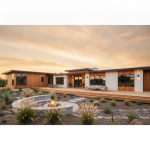
Travel inland to Palm Springs, and you find a different beast. Desert Modernism embraces earth tones—ochre, terracotta, and deep browns. These homes often feature courtyards that provide shade and privacy. The use of “breeze blocks” (decorative concrete blocks) is a signature move here, providing ventilation while creating beautiful geometric shadow patterns.
6. The Open Concept Reimagined
While the open-concept layout has been popular for years, modern California homes are refining it. The idea is to have “defined” zones without using full walls. For example, a double-sided fireplace might separate the dining area from the living room, or a slight change in floor level (a sunken living room) can create a cozy “conversation pit” within a large open space.
This allows for a sense of flow that is perfect for the California lifestyle, where the person cooking in the kitchen can still be part of the conversation happening in the lounge or out by the pool.
7. Smart Integration and Wellness Spaces
The modern California home is a high-tech sanctuary. We are seeing a massive trend toward “wellness-centric” architecture. This includes dedicated spaces for meditation, home gyms that open directly to the garden, and bathrooms designed to feel like luxury spas with wet rooms and soaking tubs.
Smart home technology is integrated subtly. Automated lighting systems mimic the natural circadian rhythm, and smart glass can tint itself during the hottest parts of the day to keep the interior cool. In California, technology isn’t about gadgets; it’s about enhancing the quality of life and the comfort of the environment.
Conclusion: Crafting Your Own Slice of Paradise
Modern California architecture is more than just a trend; it is a celebration of light, space, and the natural world. It teaches us that a home should not be a box that shuts the world out, but a vessel that invites the world in. By focusing oatural materials, a seamless indoor-outdoor flow, and sustainable practices, you can create a home that feels both sophisticated and incredibly relaxed.
Whether you are living in the heart of Los Angeles or in a suburb thousands of miles away, you can adopt these principles. Start with the light, choose materials that speak to the earth, and always, always leave a door open to the breeze. That is the true essence of the California dream.