
The First Impression: A Story Told in Timber
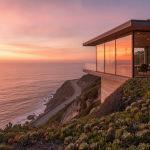
Imagine pulling into your driveway after a long day. As the sun begins to dip below the horizon, casting a warm, golden glow across your neighborhood, your house stands out—not because it is the largest or the loudest, but because it possesses a soul. There is a texture to the walls, a rhythmic pattern of shadows and highlights that shifts with the light. This is the magic of custom exterior wood siding. It is more than just a protective shell; it is the skin of your home, telling a story of craftsmanship, nature, and personal style.
SUBMIT YOUR DETAILS FOR
For decades, many homeowners settled for cookie-cutter exteriors—beige vinyl or flat stucco that lacked personality. But today, there is a massive shift back toward the organic. We are seeing a renaissance of wood siding, reimagined through modern technology and creative design. Whether you are aiming for a rugged mountain cabin vibe, a sleek Scandinavian masterpiece, or a cozy modern farmhouse, custom wood siding offers a versatility that no other material can match.
Choosing Your Canvas: The Beauty of Wood Species
Before we dive into the patterns and layouts, we have to talk about the “protagonist” of our story: the wood itself. Not all wood is created equal, and the species you choose will dictate the color, grain, and longevity of your home’s exterior.
Western Red Cedar: The Timeless Classic
If wood siding had a royal family, Western Red Cedar would be the king. It is beloved by architects and homeowners alike for its stuing tonal variations—ranging from pale ambers to deep chocolate browns. Beyond its beauty, cedar contains natural oils that act as preservatives, making it resistant to rot, decay, and insect attacks. When left untreated, it weathers into a beautiful silvery-grey, but it also takes stains exceptionally well if you want to maintain that rich, warm glow.
Redwood: The Luxurious Choice
Mainly found in the Western United States, Redwood is the epitome of luxury. It has a remarkably straight grain and a deep, reddish-brown hue that exudes elegance. Like cedar, it is naturally durable. Because it has very little resin, it absorbs finishes beautifully, ensuring that your custom color stays vibrant for years to come.
Accoya and Modified Woods: The Future of Siding
For those who love the look of wood but worry about the maintenance, modified woods like Accoya are a game-changer. Through a process called acetylation, the wood’s chemical structure is altered to make it incredibly stable and virtually rot-proof. It doesn’t shrink or swell, meaning your custom joinery stays tight and perfect for decades. It is the marriage of nature’s beauty and human iovation.
Defining the Texture: Custom Profiles and Layouts
Once you’ve picked your species, the real fun begins. How the wood is cut and installed—the “profile”—is where your home’s personality truly shines. Gone are the days when horizontal lap siding was the only option. Customization allows us to play with geometry and shadow.
The Rise of Vertical Siding
If you want to make your home look taller and more modern, vertical siding is the way to go. By drawing the eye upward, vertical lines create a sense of grandeur. You can use traditional “Board and Batten,” where wide planks are joined by thin strips of wood (battens), creating a rustic yet structured look. For a more contemporary feel, consider vertical tongue-and-groove planks with “nickel-gap” spacing, providing clean, sharp lines that look stuing on minimalist designs.
Horizontal Sophistication: Shiplap and Rainscreens
Horizontal siding remains a favorite, but custom applications have elevated it. Shiplap, with its overlapping joint, creates a tight seal and a smooth surface. However, the “open joint rainscreen” is currently taking the architectural world by storm. In this setup, individual wood slats are installed with small gaps between them over a waterproof barrier. This creates incredible depth and shadow lines, giving the facade a “floating” appearance that is breathtakingly modern.
Shingles and Shakes: Adding Hand-Crafted Charm
For those who lean toward a more artisanal or coastal aesthetic, custom wood shingles or shakes provide unmatched texture. Shakes are typically hand-split, giving them a rugged, uneven surface that feels deeply coected to nature. Shingles are sawn more uniformly for a cleaner look. Mixing these with traditional planks on gables or accent walls can break up the visual weight of a large house and add “human-scale” detail.
Shou Sugi Ban: The Art of Charred Wood
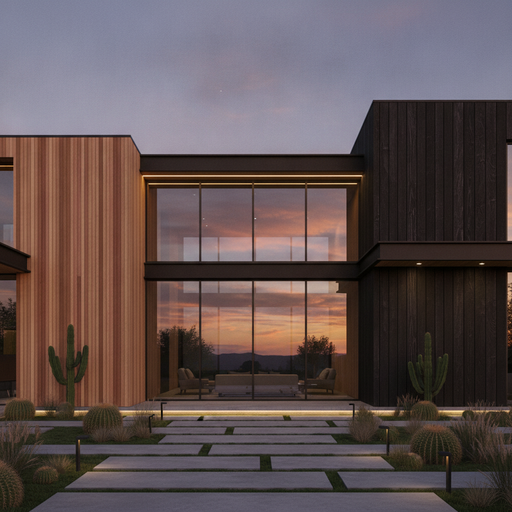
One of the most exciting trends in custom exterior siding is the ancient Japanese technique of Shou Sugi Ban. This involves charring the surface of the wood with fire to create a carbonized layer. The result is a stuing, deep black finish that highlights the natural grain of the wood in a way that paint never could.
But Shou Sugi Ban isn’t just about the “cool factor.” The charring process actually makes the wood more durable. It becomes fire-resistant, insect-resistant, and incredibly weather-hardy. In a modern architectural context, a Shou Sugi Ban accent wall paired with light-colored stone or glass creates a high-contrast look that is guaranteed to turn heads.
Mixing Materials: Wood as an Accent
You don’t have to cover your entire house in wood to make a statement. In fact, some of the most beautiful custom homes use wood as a strategic accent. Imagine a home with sleek, charcoal-colored metal panels contrasted by a warm, honey-toned cedar entryway. Or a white brick house with dark oak “lintels” and wood-clad soffits.
Using wood in protected areas—like under porch ceilings or within recessed window frames—allows you to enjoy the warmth of the material while minimizing its exposure to the elements. This “hybrid” approach is perfect for homeowners who want the aesthetic of custom wood without the commitment of a full-timber exterior.
Maintenance: Protecting Your Investment
Let’s be honest: wood is a living material, and it requires love. However, modern finishes have made maintenance much easier than it used to be. High-quality UV-resistant stains and oils can protect your siding from bleaching in the sun. If you prefer the weathered, grey look, you can apply “weathering bleaches” that help the wood age uniformly, avoiding the blotchy transition phase.
A good rule of thumb for custom wood siding is to inspect it aually. Look for signs of moisture retention or areas where the finish might be thiing. A simple wash and a fresh coat of oil every few years will keep your home looking as spectacular as the day the siding was installed.
Conclusion: Crafting a Legacy
Choosing custom exterior wood siding is an investment in your home’s character and its future value. It is a rejection of the bland and an embrace of the authentic. Whether you choose the charred mystery of Shou Sugi Ban, the clean lines of a vertical rainscreen, or the classic warmth of Western Red Cedar, you are creating a home that feels alive.
Your home is your sanctuary, and its exterior should reflect the care and thought you put into the life lived inside. By playing with species, textures, and installation methods, you can transform a simple building into a work of art that will stand the test of time and provide a warm welcome to everyone who crosses your threshold.